
At-Home Sleep Apnea Testing in Spokane, WA
Sleep apnea is common, underdiagnosed, and treatable
Poor sleep does not always feel like “sleepiness.” It can show up as fatigue, morning headaches, migraines, brain fog, high blood pressure, mood changes, nighttime urination, low libido, cardiopulmonary strain, or difficulty losing weight.
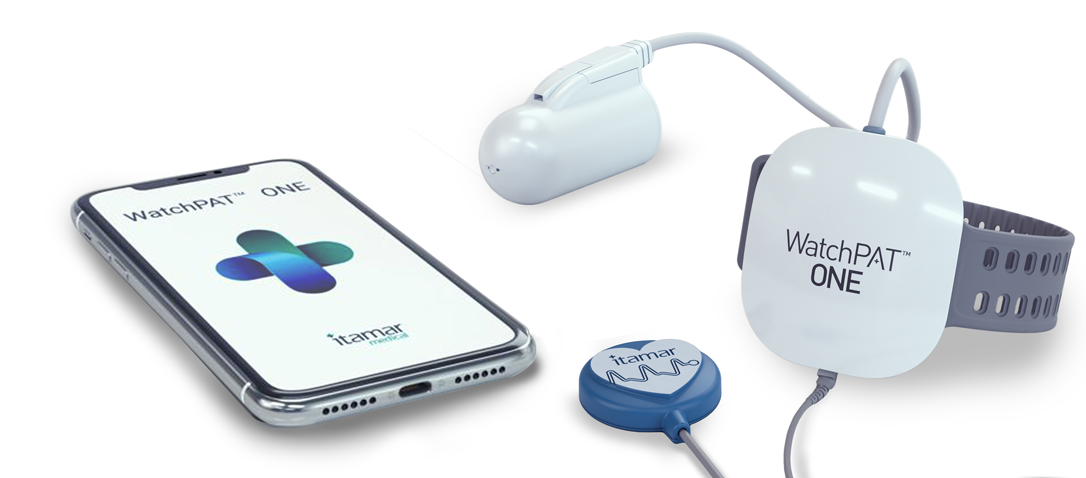
At Northwest DPC & Headache, we offer at-home sleep apnea testing using the WatchPAT home sleep study device. The test is completed in your own bed, reviewed by a sleep physician, and followed by a phone call with our clinic to explain the results and next steps.
Cost: $120 for the sleep study visit and post-study phone call to review results.
We try to utilize insurance for the device. If insurance does not cover the device, the device cost is $240.
Why Test for Sleep Apnea?
Sleep apnea happens when breathing repeatedly stops, slows, or becomes disrupted during sleep. Obstructive sleep apnea is the most common type and occurs when the upper airway becomes blocked during sleep. The National Heart, Lung, and Blood Institute notes that sleep apnea can prevent the body from getting enough oxygen and can contribute to poor sleep quality, daytime sleepiness, and long-term health risks.
Sleep apnea is also very common. Estimates suggest that nearly 30 million adults in the United States may have obstructive sleep apnea, and many cases remain undiagnosed.
Testing can be especially helpful when symptoms are present but the cause is not obvious.
Symptoms That May Suggest Sleep Apnea
Sleep apnea can look different from person to person. Some people snore loudly or wake up gasping. Others mostly notice fatigue, headaches, or poor concentration.
Common clues include:
Loud snoring
Witnessed pauses in breathing
Gasping, choking, or waking suddenly at night
Daytime fatigue or sleepiness
Morning headaches
Waking with dry mouth
Trouble concentrating or brain fog
High blood pressure
Irregular sleep or insomnia
Waking often at night to urinate
Low libido or sexual dysfunction
Worsening migraines or headaches
Mood changes or irritability
Screen Yourself:
Could I Have Sleep Apnea?
Sleep apnea self-screen
Could sleep apnea be affecting your health?
Answer one question at a time. Your result will show whether your screening score suggests that an at-home sleep study may be reasonable.
This tool is for screening and education only. It does not diagnose sleep apnea or replace medical care. If you have chest pain, severe shortness of breath, fainting, stroke symptoms, or another emergency concern, seek urgent or emergency care.
How our at-home sleep study works
-
We start with your symptoms, medical history, risk factors, and goals. Not everyone needs a sleep study, and not every person is best served by an at-home test. If your situation requires a different type of sleep evaluation, we will tell you.
-
When an at-home study is appropriate, we order the WatchPAT device. WatchPAT is an FDA-cleared portable home sleep apnea testing device. It is designed for use at home and uses a wrist device, finger probe, and chest sensor.
-
You complete the sleep study in your own bed. For many patients, this is more comfortable and more representative of a normal night’s sleep than spending the night in a sleep lab.
-
The data is interpreted by a sleep physician. The report helps determine whether sleep apnea is present and how severe it appears.
-
Your $120 visit cost includes the sleep study visit and a post-study phone call to go over the results. We explain what the report means and what options make sense next.
-
We can send the sleep report and recommendations back to your primary care clinician, referring provider, or other treating clinician. If appropriate, we can also order and manage treatment with follow-up visits through Northwest DPC & Headache.
FAQs
-
An at-home sleep study can be a good option for many adults with suspected obstructive sleep apnea. It is convenient, done in your own bed, and can often provide enough information to guide treatment. Some patients still need an in-lab sleep study, especially if symptoms are complex, another sleep disorder is suspected, or the home study does not explain the symptoms.
-
We use the WatchPAT home sleep study device. The device is shipped to your home, worn overnight, and then the data is reviewed by a sleep physician.
-
No. At-home sleep study evaluation may be available as a standalone service. DPC membership may be a better fit if you want ongoing primary care, follow-up, and help managing related issues such as blood pressure, fatigue, cardiometabolic health, hormones, or headaches.
-
Yes, when appropriate. We can send the sleep report and recommendations to your PCP or referring provider, or we can order and manage treatment with follow-up visits.
-
A normal home sleep study does not mean your symptoms are not real. Fatigue and poor sleep can come from many causes, including insomnia, restless legs, medications, mood disorders, anemia, thyroid disease, hormone changes, chronic pain, circadian rhythm problems, or other medical conditions. Either your PCP, referring physician, or we can help decide what should be evaluated next.
-
Sleep apnea can cause frequent awakenings and poor-quality sleep, but at-home sleep apnea testing is mainly designed to evaluate sleep-disordered breathing. If your main problem is difficulty falling asleep, racing thoughts, irregular schedule, or chronic insomnia without snoring or breathing symptoms, a different approach may be needed to evaluation and treatment and this evaluation modality likely will not be as beneficial to you.
-
Possibly. Sleep apnea and disorders are exceptionally common in migraines. However, sleep apnea is not the cause of every migraine, but poor sleep can worsen headache patterns. If you have migraine plus snoring, morning headaches, daytime fatigue, high blood pressure, or nighttime urination, sleep testing may be worth considering.
-
The visit and post-study phone call to review results cost $120. We try to utilize insurance for the device.
If insurance does not cover the device, the device cost is an additional $240.