

In-Office Diagnostics & Testing
More answers during the visit
At Northwest DPC & Headache, diagnostic care starts with time: a careful history, thoughtful exam, and when appropriate, in-office tools such as EKG, point-of-care ultrasound, and transparent lab testing.
Our Process
Clinical Reasoning First
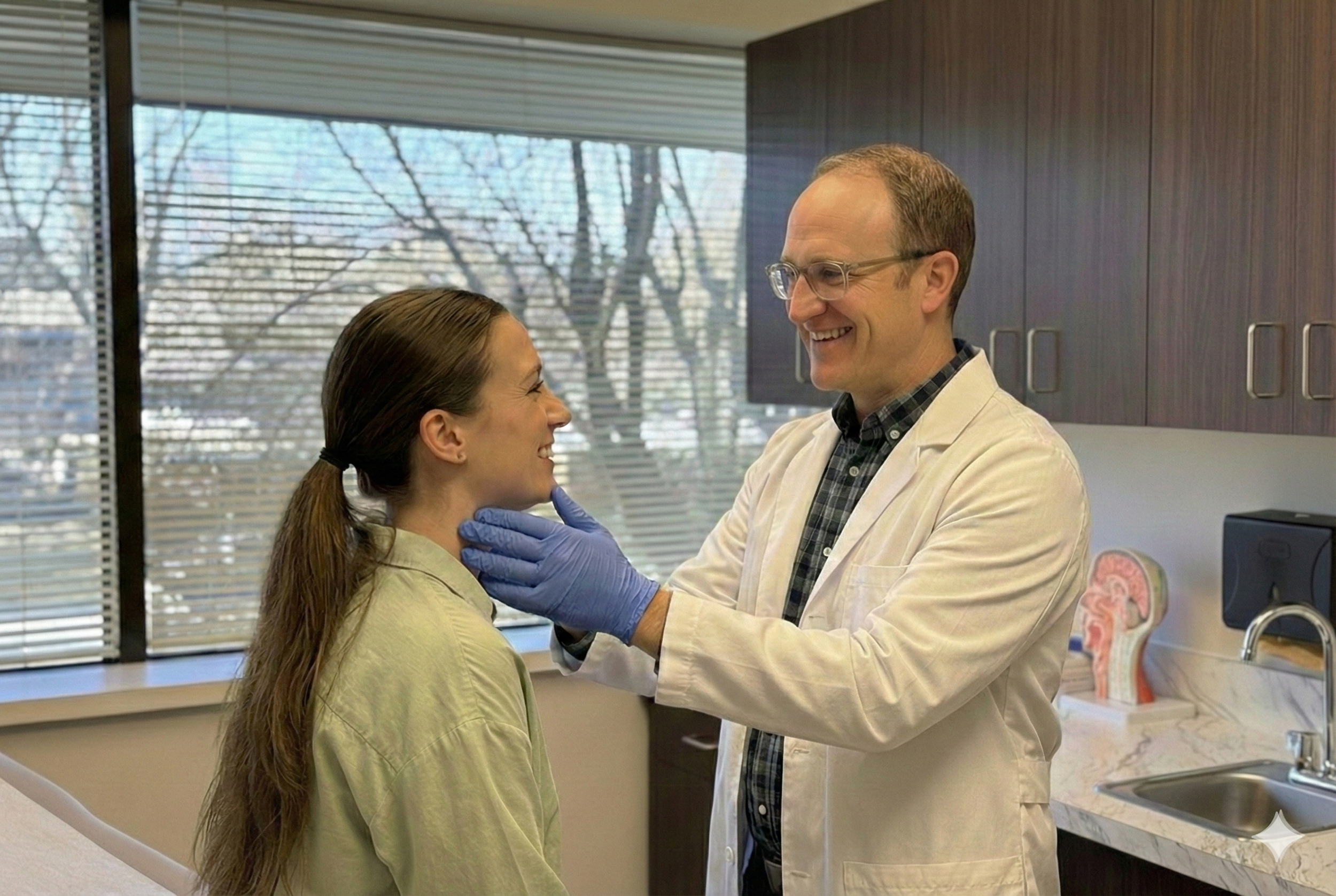
Most diagnosis does not begin with a test. It begins with listening carefully, asking better questions, examining thoughtfully, and deciding which tests are actually worth doing. In-office diagnostics can help when they add clarity, but they work best as part of a careful clinical evaluation.
Point-of-Care Ultrasound
Dr. Stewart has taught point-of-care ultrasound to physicians regionally and nationally. In primary care, ultrasound can sometimes help extend the physical exam and guide next steps during the visit.
Examples of how in-office ultrasound is utilized:
Heart/lung volume assessment
Bladder volume
Soft tissue evaluation
Thyroid evaluation
Vascular evaluation
Abdominal fluid
Procedural guidance
Musculoskeletal evaluation
Limited focused questions when clinically appropriate
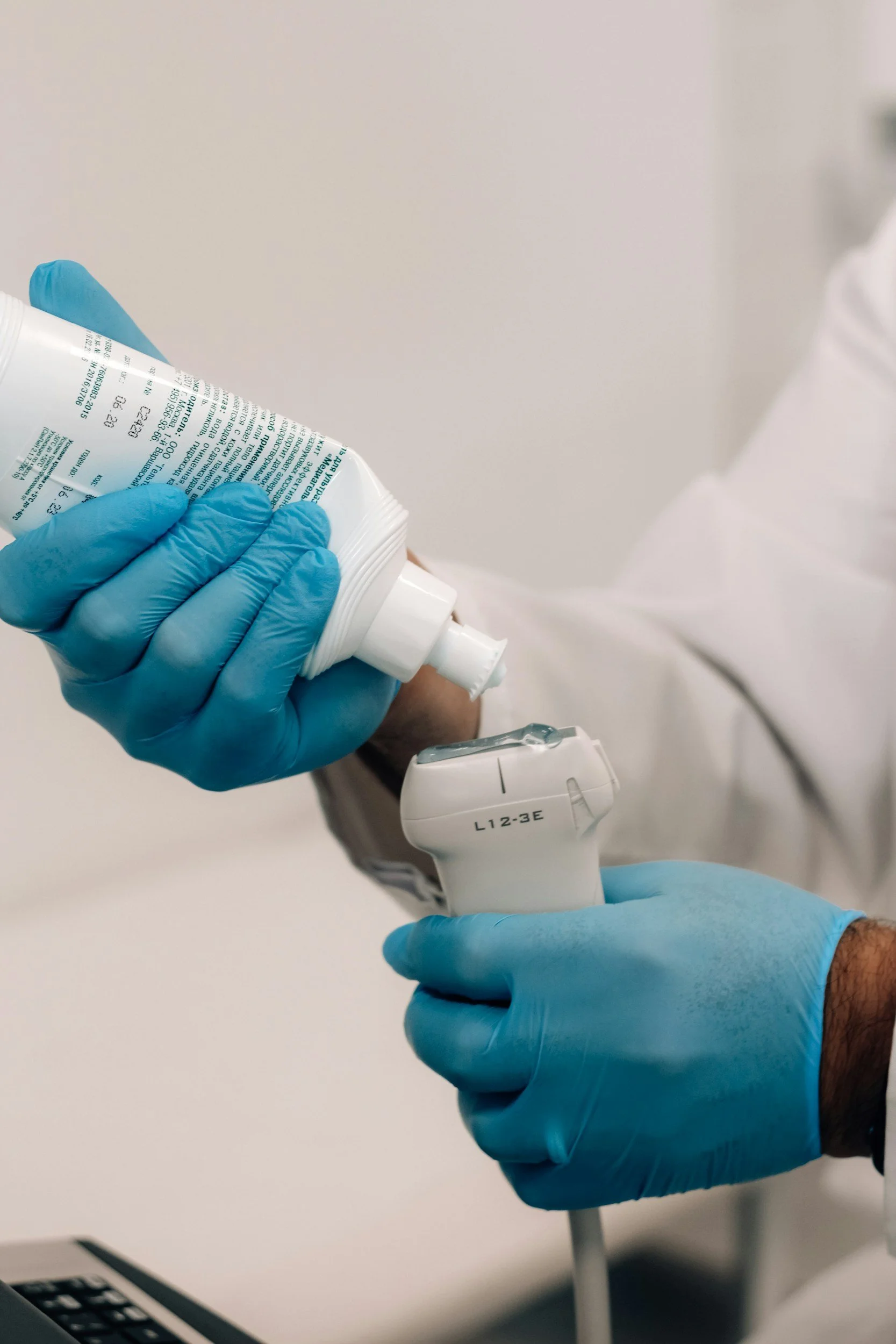
*Of note, point-of-care ultrasound does not replace formal imaging when formal imaging is needed.
In-Office EKG
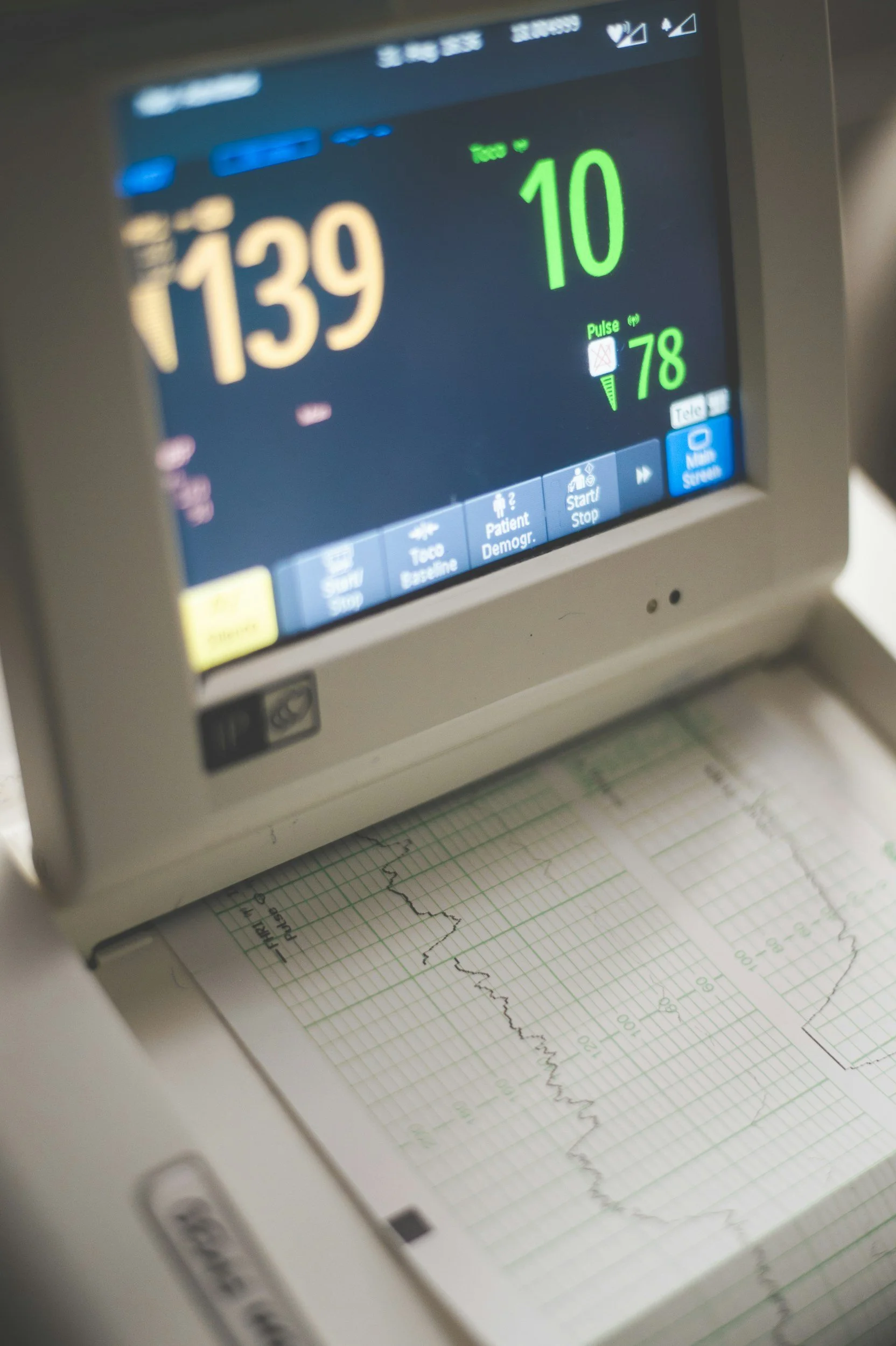
An EKG can be useful when evaluating symptoms such as fatigue, palpitations, irregular heartbeat, and dizziness.
It can be helpful in ensuring your heart is healthy prior to certain activities or medications, pre-existing conditions, or prior to a surgery to ensure you are healthy to have anesthesia.
However, unlike the Emergency department, we don’t utilize it to evaluate active chest pain as that should be performed at the hospital.

Lab Testing
When labs are needed, we try to make the “why” and the cost clearer. We can offer deeply discounted lab pricing or use your insurance for lab pricing.
We use labs in conjunction with your history, physical, and all other data to formulate specific questions and plans to ensure you stay as healthy as you can be. And when you are ill, we utilize these to help diagnose, treat, and monitor you.
Diagnostic Visits That Take Time
Some symptoms do not fit neatly into a 10-minute visit: fatigue, dizziness, shortness of breath, palpitations, abdominal symptoms, headaches, pain, medication side effects, or multiple overlapping concerns. Longer visits allow us to slow down, review the story, examine carefully, and decide what testing actually makes sense.
FAQ
-
We can perform or coordinate several common diagnostic tools, including careful physical exam, in-office EKG, point-of-care ultrasound when appropriate, and procedural assessment. We can perform urinanalysis, pregnancy testing, and glucose evaluations in office, otherwise we have partnered with Labcorp to perform our testing.
But ultimately, the most important diagnostic tool is still time: listening carefully, reviewing the story, examining thoughtfully, and choosing tests that actually answer the clinical question.
-
Point-of-care ultrasound, often called POCUS, is a focused ultrasound exam performed by the clinician during the visit. It can extend the physical exam and guide next steps when more information is needed. It does not replace a formal radiology ultrasound, CT scan, MRI, or specialist evaluation when those are needed. However, it can also sometimes save formal imaging for certain questions - saving time and money.
-
Depending on the clinical situation, point-of-care ultrasound may help evaluate focused questions involving the heart, lungs, bladder, soft tissue, joints, fluid, or certain procedures. It is most useful when there is a specific question to answer, not as a general full-body screening test.
A few examples of specific questions we ask and can frequently answer with POCUS:
Is the heart pumping fluid efficiently forward, causing shortness of breath, ankle swelling, or unexpected weight gain?
Is there increased pressure inside the head contributing to headaches?
Is the bladder not fully emptying after urination, causing problems with difficult or frequent urination?
Is there lower extremity clotting causing leg cramps or one-sided leg swelling?
-
No. Point-of-care ultrasound is a focused bedside tool used as part of a clinical visit. If you need a formal ultrasound study interpreted by radiology, we will order and coordinate the study.
-
POCUS can be used to help clarify what is happening during the visit, guide procedures, or help decide whether additional testing is needed. It is especially valuable when paired with a careful history, physical exam, and clinical reasoning rather than used as a stand-alone test.
As this is a practiced skill, having a clinic able to perform this can expedite diagnosis, save money, and ultimately help answer questions.
-
Dr. Stewart has taught point-of-care ultrasound to physicians regionally and nationally, including at the Washington State ACP conference and National Society of General Internal Medicine conference. His approach is to use ultrasound thoughtfully as an extension of the physical exam when it can add useful clinical information.
-
Yes. We can perform an in-office EKG when clinically appropriate. EKGs may be useful for symptoms such as palpitations, irregular heartbeat, dizziness, fainting episodes, medication monitoring.
-
Maybe, but some symptoms should be evaluated in the emergency department. New, severe, or persistent chest pain; chest pain with shortness of breath, sweating, nausea, fainting, weakness, or pain radiating to the arm, jaw, or back should be treated as an emergency. In-office EKG is not a substitute for emergency evaluation when heart attack, stroke, blood clot, or another serious condition is possible.
-
Yes. Dizziness and fainting can come from many causes, including dehydration, medication effects, inner ear conditions, heart rhythm problems, anemia, neurologic problems, and more.
We can help sort through the likely causes and decide whether office testing, labs, imaging, monitoring, or urgent evaluation is needed.
-
Yes. Longer primary care visits are especially helpful for symptoms that do not fit neatly into a short appointment, such as fatigue, brain fog, dizziness, shortness of breath, abdominal symptoms, headaches, or multiple overlapping concerns.
We focus on the story, exam, medication review, and targeted testing.