
Adult Primary Care in Spokane
For adults who want longer visits, easier follow-up, transparent costs, and a doctor who knows them.
Adult primary care with longer visits, easier access, and simple monthly pricing.
At Northwest DPC & Headache, direct primary care is built around relationship, time, and transparency. Instead of rushing through short visits or building care around insurance billing, we focus on giving adults in Spokane thoughtful primary care with clear pricing and direct access to their physician.
Membership is $110/month.
30-60 minute appointments.
Direct physician messaging during business hours.
Fast, easy access to your physician.
Now accepting and scheduling adult primary care patients.
Serving Spokane, South Hill, Spokane Valley, Liberty Lake, Cheney, and nearby communities.
A Simpler Way To Get Primary Care
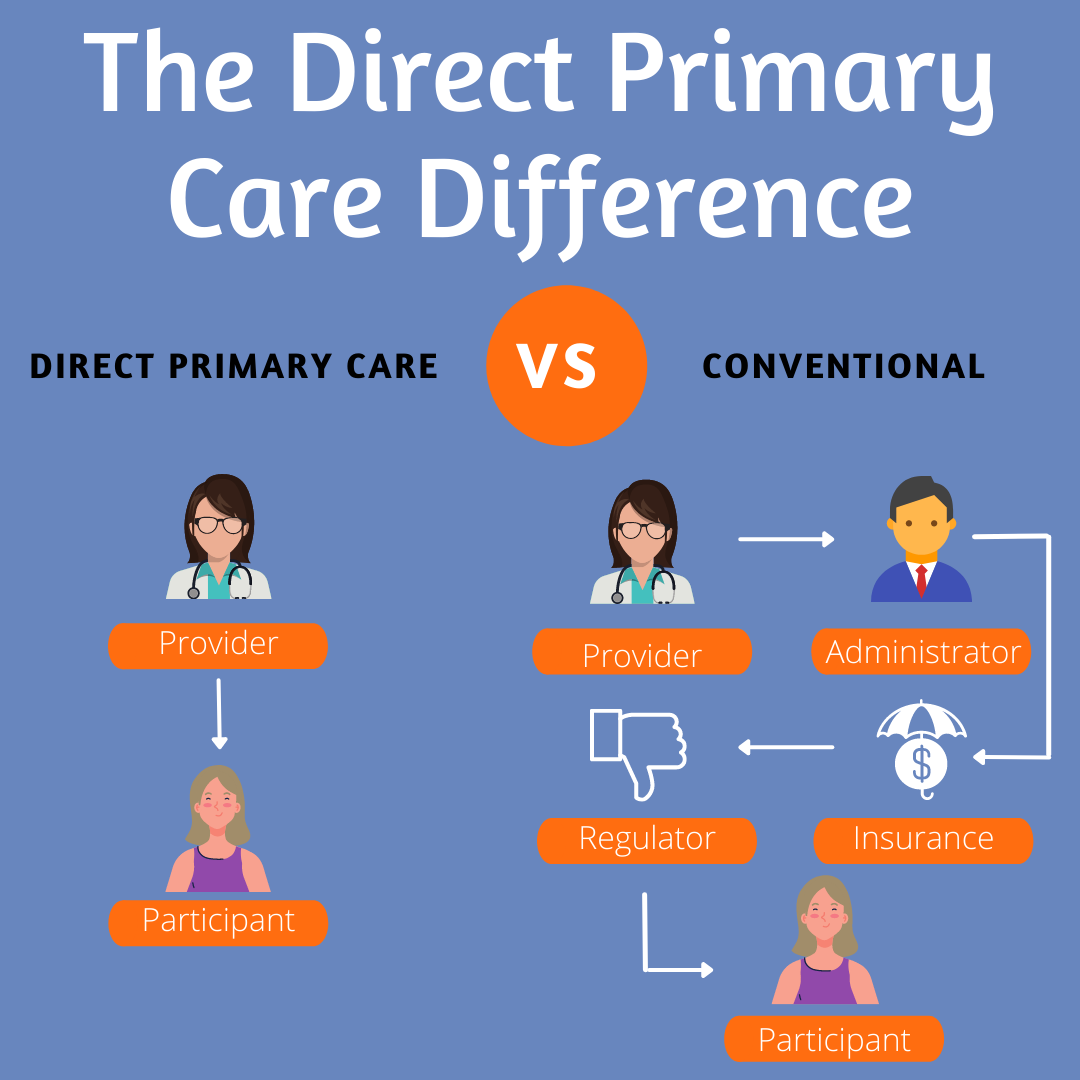
Direct Primary Care, or DPC, is a membership model. Instead of billing commercial insurance for each office visit, you pay a flat monthly fee for ongoing primary care.

-
You have more time to explain concerns, ask questions, and make a clear plan. That means more thoughtful care and fewer rushed decisions.
-
Primary care should be available when you need it. Our smaller practice allows for more timely appointments for both routine care and many same-week concerns.
-
Members can reach their physician during business hours for follow-up, questions, and routine concerns. That makes care feel more personal and easier to navigate.
-
One predictable monthly fee covers your primary care membership. No copays, no surprise office-visit bills, and clearer pricing for routine care.
-
We do not bill insurance for routine primary care, which means the clinic can focus more on access, continuity, and patient care rather than billing complexity.
What We Treat in Primary Care
Preventive care
Annual physicals
Health screening and risk reduction
Blood pressure, cholesterol, and diabetes screening
Preventive planning based on your age, history, and goals
Lifestyle counseling and long-term health planning
Chronic disease management
High blood pressure
Diabetes and prediabetes
Thyroid disorders
Asthma and common chronic respiratory issues
Ongoing medication management
Follow-up after ER or specialist visits
Mental health and sleep
Expedited at-home sleep studies
Anxiety and depression
Stress and burnout
Fatigue
Medication and non-medication treatment approaches
Same-week sick visits
Colds, flu-like illness, sinus symptoms, and cough
Urinary symptoms and UTIs
Rashes and skin concerns
Minor injuries and musculoskeletal pain
Abdominal symptoms, nausea, and diarrhea
Women’s health
Menopausal support and hormone replacement therapy
Perimenopause support, treatment, and hormone replacement therapy as appropriate
Contraceptive counseling
Common outpatient gynecologic concerns
Symptom-focused evaluation with time for real discussion
Other ongoing care needs
Medication review and deprescribing when appropriate
Care coordination
Lab review and explanation
Practical follow-up for new diagnoses
Why Patients Choose Northwest DPC for Advanced Primary Care in Spokane
Better access
When you have a question for your doctor, you do not need to wait for your message to go through a chain of employees before it reaches your physician. Direct Primary Care with Northwest DPC & Headache gives you direct text messaging and calling with your physician.
When you are sick or worried, you should not have to wait weeks to be seen for routine primary care needs.
A real patient-physician relationship
The smaller the panel, the easier it is to know your doctor and be known by your doctor.
We do not plan to have a panel larger than 400 patients to ensure we have time and space for you. The average primary care panel in the US is 1500-2500 patients.

More time
Traditional clinics are often rushed. We built this practice to allow more time for questions, decision-making, and follow-up. With our follow-up appointments being standard at 30-40 minutes and easy follow-up, your questions and concerns can get answered and addressed easily.

Clear pricing
You know what your membership costs. No surprise copays. No confusing bills weeks later. Any additional costs that may be incurred, such as procedures or labs, are discussed prior to ensure you know what it will cost and why.

Adult medicine focus
This clinic is designed for adult care. That means a strong focus on prevention, chronic disease, complex outpatient decision-making, and long-term health. We also frequently see acute care, women’s health, perimenopausal/menopausal support, hormone replacement therapy, sleep, and headache care.
Telehealth is Part of the Model
Virtual care is not a separate program. It is one part of how the clinic improves access.
When clinically appropriate, telehealth can be used for:
Follow-up visits
Medication review
Lab review
Chronic disease check-ins
Mental health follow-up
New concerns that do not require a hands-on exam
Telehealth is available for patients located in Washington.
Is DPC Worth It?

For some patients, the answer is about cost.
For others, it is about access, continuity, and the ability to actually reach their doctor.
The best fit depends on how often you use care, what kind of insurance you carry, and how much you value a more direct relationship with your physician. That is exactly why the site includes a DPC cost-comparison tool.
Ready To Experience Primary Care As It Should Be?
If you are looking for adult primary care in Spokane and want a simpler, more personal model, direct primary care may be the right fit.
Brief FAQ
-
Direct primary care is a membership-based model where you pay a simple monthly fee for ongoing primary care, rather than paying a copay for each visit or relying on insurance billing for routine care.
-
DPC membership is $110 per month for adult primary care.
This includes the cost of any visits, telehealth visits, and specific in-office tests such as glucose checks, urinalysis, and pregnancy testing.
Patients also have texting ability with their physician during clinic hours.
-
Membership includes office visits, virtual visits when appropriate, preventive care, chronic disease management, urgent care for many common concerns, and direct messaging with your doctor during business hours.
-
Technically, no; however, we do recommend insurance for things like expensive medications, hospitalization, surgery, specialist care, advanced imaging/labs, and emergency care.
-
No. DPC membership care is paid directly rather than billed to commercial insurance. You are able to use HSA funds for Direct Primary Care.
-
Yes. Telehealth is available for visits when clinically appropriate, as long as you are located in Washington during the visit.
-
DPC is a strong fit for adults who want longer visits, easier access, a more direct relationship with their doctor, more value for the time and health care spending, and simple monthly pricing.