
The Migraine Travel Packing List: What to Bring
Traveling can be exciting and amazing, but it can also increase the risk of a migraine. The following is a packing list and tips for traveling.
Travel is supposed to be restorative—but for people with migraine, it can also be a perfect storm: disrupted sleep, skipped meals, dehydration, bright lights, loud airports, long drives, and unfamiliar routines. The good news is that a little planning goes a long way. A “migraine travel kit” doesn’t need to be huge; it just needs to be reliable.
Below is a practical packing list organized by category, plus a simple action plan to help you treat early and confidently—so your hard-earned vacation time stays yours.
1) “Don’t-Leave-Home-Without It” — Medications
Acute/abortive medication(s) you already use (bring enough for the trip plus extra)
Rescue backup option (a second acute option if your first-line fails)
Antiemetic (for nausea/vomiting) if you ever need it
NSAID or acetaminophen (as appropriate for you)
Preventive meds (daily/regular meds) + 2–4 extra days
Allergy/sinus meds if those are triggers for you
Packing tips that prevent disaster:
Use the two-bag rule: split critical meds between your personal item and another bag.
Keep at least one full “attack dose” in a small pouch you can reach in seconds.
Consider bringing meds in original labeled bottles (especially for flights/international travel).
Pro tip: Pack meds in two locations (e.g., carry-on + personal item) in case one bag disappears.
2) Devices + comfort tools (small items, big wins)
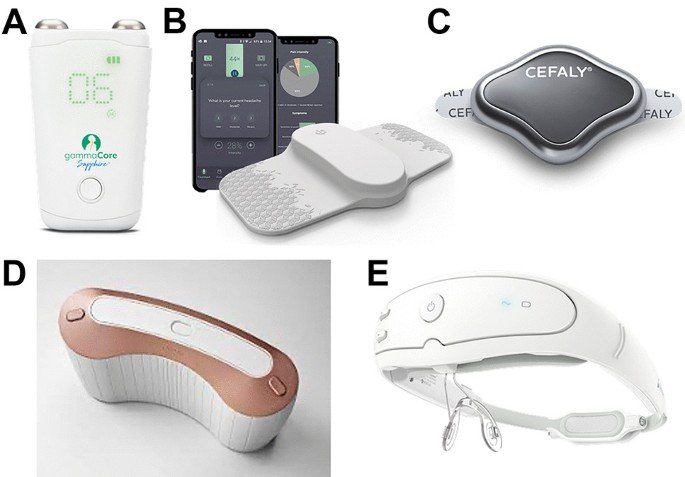
If you use neuromodulation, travel is a great time to lean on it.
Pack:
· Neuromodulation device (if you own one) + charger + spare electrodes/consumables as needed
· Cold strategy: a travel gel pack, or a plan to use hotel ice / convenience store ice
· Heat option (helpful for neck/shoulder tension triggers): small heat wraps
· Neck support: a travel pillow or small lumbar/neck roll
3) Sensory protection: reduce exposure to common triggers
Travel environments are loud, bright, scented, and chaotic. A few small items can lower your trigger load.
Pack:
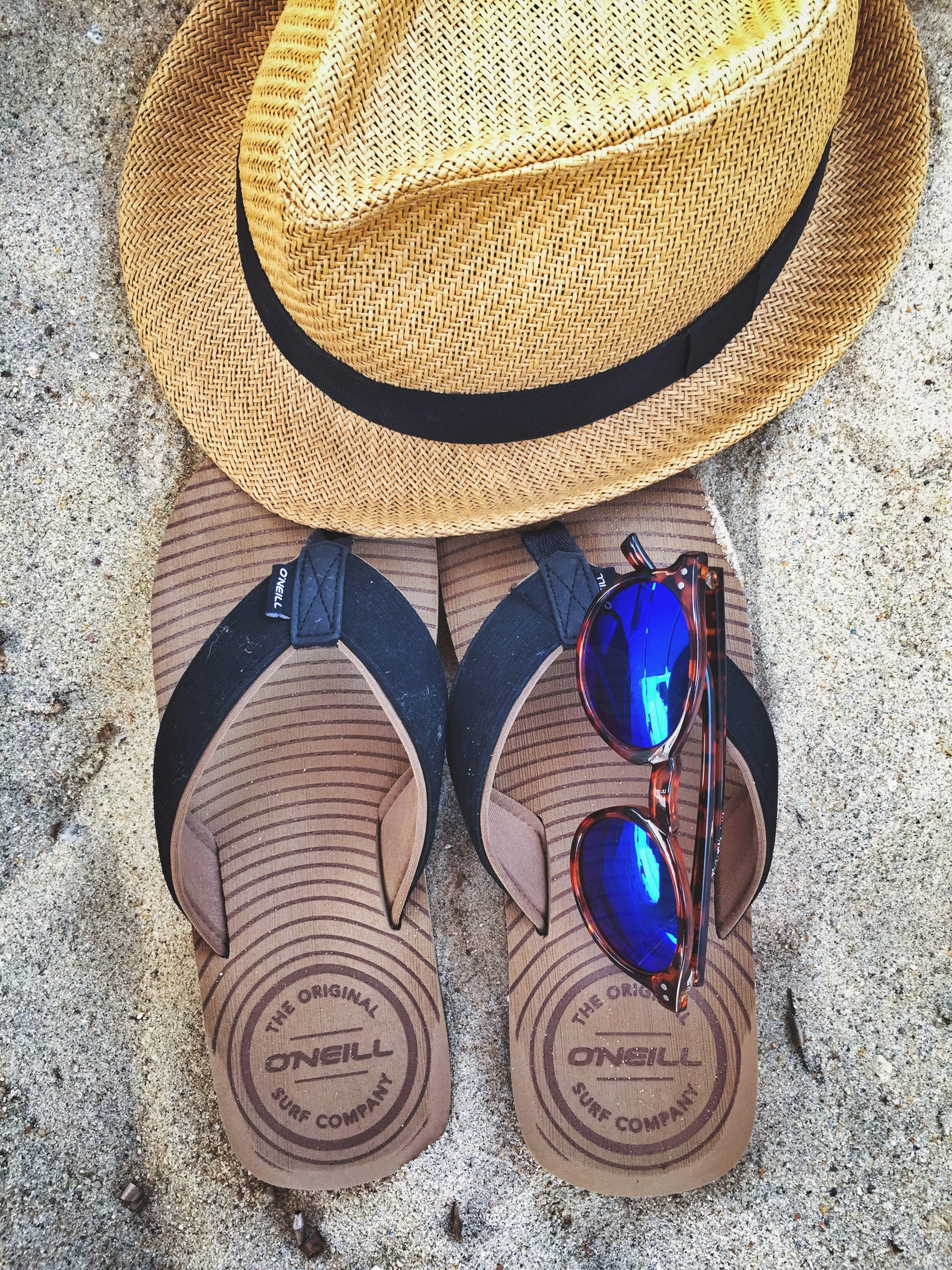
· Sunglasses (polarized is preferable)
· Hat with brim
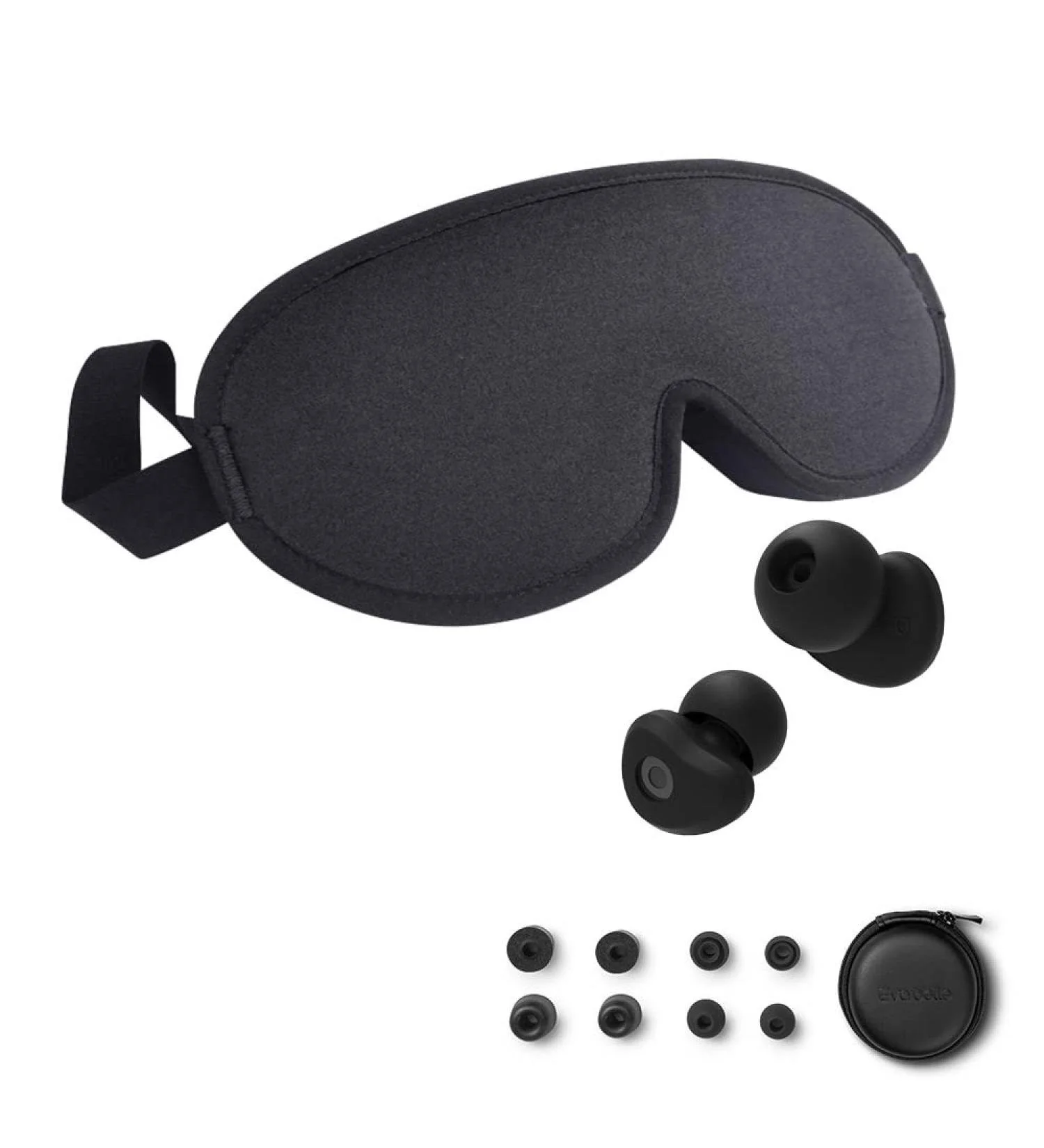
· Earplugs or noise-reducing headphones
· Eye mask (also doubles as a sleep tool)
· Mask (helpful for scent/airflow and illness prevention during travel)
· Unscented wipes / unscented toiletries
4) Hydration, caffeine, and food: keep your physiology steady
Many travel migraines are “basic biology” migraines: dehydration, caffeine withdrawal, and missed meals. While the “Have you drank water” is definitely overused - traveling and these triggers unfortunately go hand-in-hand.
Pack:
· Refillable water bottle
· Electrolyte packets (especially for flights, heat, or altitude)
· A caffeine plan (either bring your usual coffee/tea option or plan a consistent intake to avoid withdrawal)
· Portable snacks with protein and salt (nuts, trail mix, protein bars, crackers)
If you have known food triggers, keep it simple: don’t overhaul your diet on the trip—just avoid obvious pitfalls and prioritize regular meals.
5) Sleep support: protect the most important migraine variable
Sleep disruption is one of the most common travel triggers.
Pack:
· Earplugs/noise cancelling headphones + eye mask (hotel + plane lifesavers)…and yes, this made it on the list twice!
· A white noise app or small noise machine
· Melatonin (if you already use it and your clinician says it’s safe for you)
· Your usual bedtime routine cues (even one familiar thing helps)
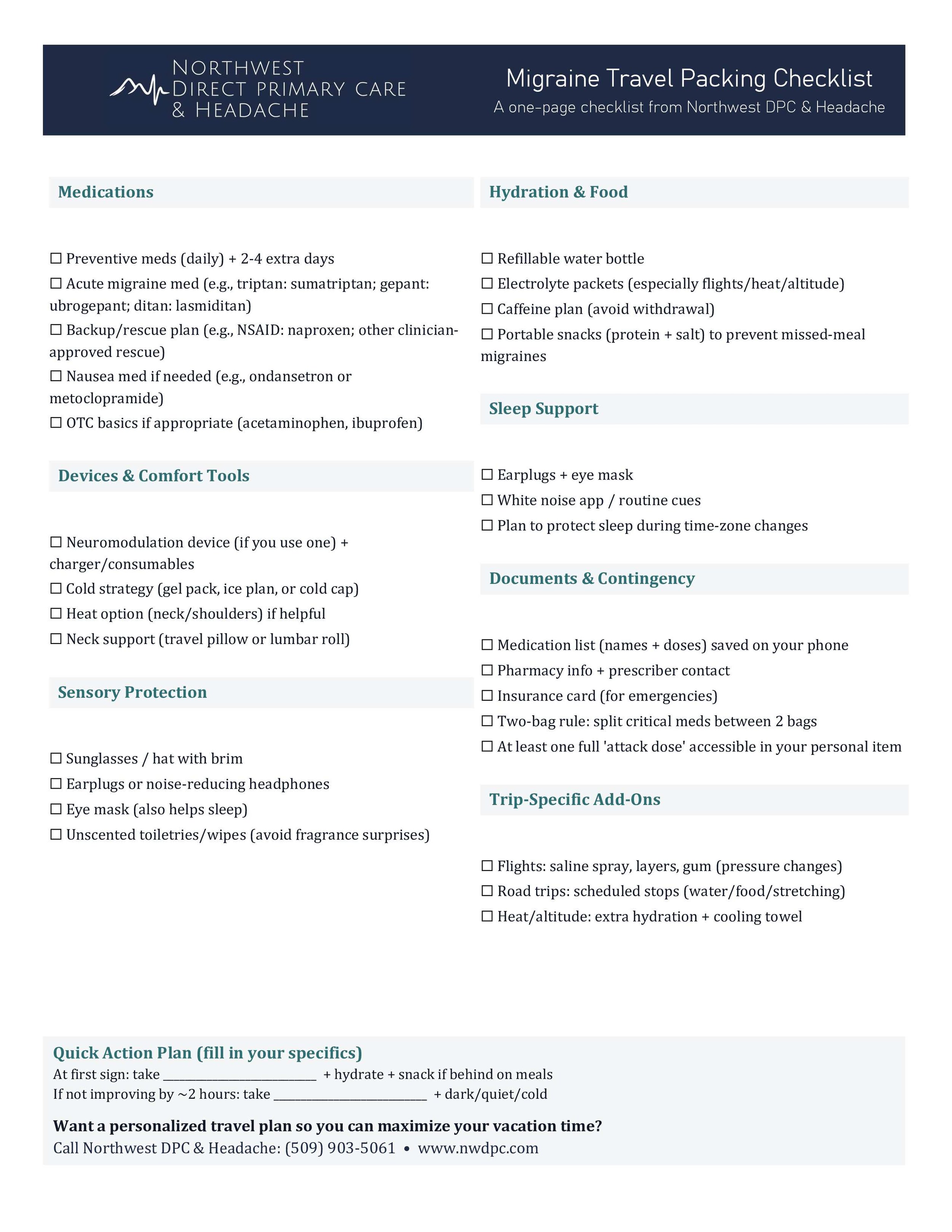
A downloadable packing list for travel
6) A quick “Migraine Action Plan” template
When an attack starts, decision fatigue makes everything harder. Talk to your clinican and write this down before you go:
At first sign:
· Hydrate + electrolytes, snack if you’re behind on meals
· Take your first-line acute med
· Add any available clinician-approved pairings (often an NSAID, antiemetic, neuromodulator, or another option)
If not improving in 2 hours (or per your usual plan):
· Use your backup/rescue option
· Reduce triggers: dark/quiet space, cold pack, neuromodulation if you use it. Easier said than done when traveling though!
Seek urgent evaluation if you develop red-flag symptoms like sudden “worst headache,” new neurologic deficits, fever/neck stiffness, severe head injury, or an abrupt change from your typical pattern.
Closing
Your migraine travel kit isn’t about packing more—it’s about packing smart. With the right plan, most people can travel confidently without feeling like every trip is a gamble.
If you want help customizing a travel-ready migraine plan (meds, backups, and strategies that match your pattern), give us a call at Northwest DPC & Headache—we would love to help you protect your hard-earned vacation time.
